

It can be tough figuring out why social situations feel so challenging. Sometimes it feels like you’re just awkward, but maybe there’s more to it. You might wonder if you have social anxiety, or if it could be autism. Both can make interacting with people tricky, and honestly, they share some common ground. But they also have some pretty big differences in why those social struggles happen. Let’s break down autism or social anxiety so you can get a clearer picture.
It can get confusing when trying to figure out if someone is dealing with social anxiety or autism, especially since both can make social situations tricky. But the root causes and how these challenges manifest are quite different. Understanding these core differences is the first step to getting the right kind of support.
For someone with social anxiety, the main issue is a deep-seated fear of being judged or embarrassed by others. It’s like having a spotlight on you, and you’re convinced everyone is noticing your flaws. This fear drives a lot of their behavior in social settings. On the other hand, for autistic individuals, social difficulties often stem from a different place entirely. It’s not usually about a fear of judgment, but more about genuinely not picking up on social cues or understanding the unwritten rules of interaction. They might not naturally grasp body language, tone of voice, or the flow of conversation the way others do.
This is a big one. People with social anxiety are often hyper-aware of social cues, sometimes to an overwhelming degree. They might notice a subtle frown or a shift in someone’s posture and interpret it as disapproval, even if that’s not the intention. Their response is often to withdraw or try to disappear because the perceived judgment is too much to handle. Autistic individuals, however, might struggle more with recognizing those cues in the first place. They might miss sarcasm, not understand why a certain topic is off-limits, or not pick up on cues that a conversation is winding down. This can lead to interactions that seem awkward or out of sync to others, not because of fear, but because of a different way of processing social information. It’s like trying to read a book in a language you don’t quite understand.
The ability to intuitively ‘read a room’ is often a key differentiator. Someone with social anxiety might understand the cues but be too afraid to act on them, while an autistic person might not even register the cues that indicate the room’s mood.
When it comes to wanting to socialize, there’s a noticeable difference too. People with social anxiety often do desire connection and feel lonely or sad when isolated. Their anxiety is the barrier, not a lack of interest. They might wish they could be more social but feel held back by their fear. Autistic individuals, on the other hand, may have a different baseline level of social motivation. Many autistic people find social interaction draining and prefer spending time alone or engaging in activities they enjoy independently. This isn’t necessarily a sign of sadness or loneliness, but rather a preference for less intense social engagement or a need for significant downtime to recharge. It’s important to remember that autism is a spectrum, and social motivation can vary greatly, but a general tendency towards less intense social drive is common. Early challenges with motor skills, such as difficulty with puzzles, may be early indicators of differences in how information is processed, which can extend to social processing.
Here’s a quick look at how these core differences play out:
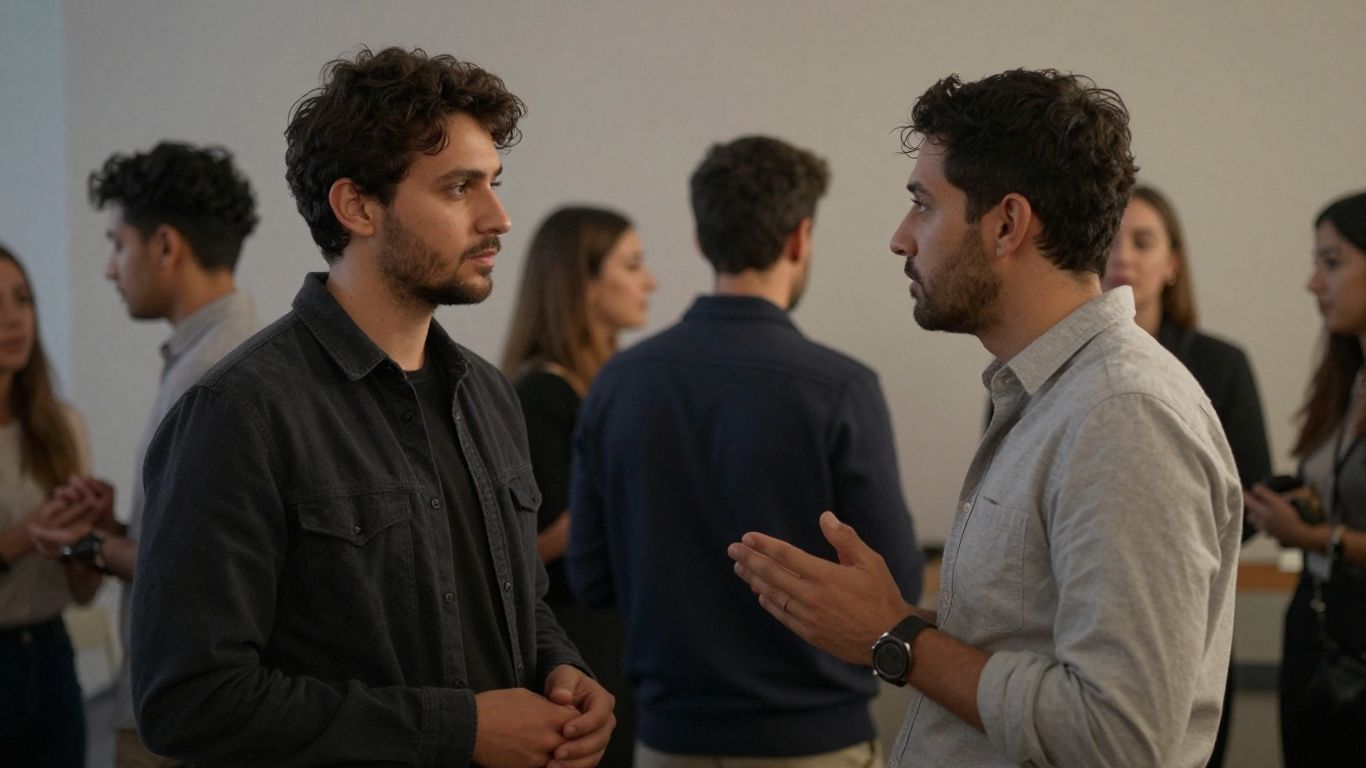
Social interactions can feel like a minefield, whether you’re dealing with social anxiety or autism, or maybe both. It’s not always about wanting to connect; sometimes, it’s about managing the sheer overwhelm of it all. For someone with social anxiety, the main worry is often about being judged or embarrassed. The thought of saying the wrong thing or looking awkward can be paralyzing. On the other hand, an autistic person might not even realize their interaction is causing discomfort to others. They might just be processing things differently or not picking up on subtle social cues.
Both social anxiety and autism can make social situations tough, but the reasons can differ. People with social anxiety often fear negative evaluation, leading them to avoid interactions altogether. They might replay conversations in their head afterward, picking apart every perceived mistake. Autistic individuals, however, might struggle with the inherent unpredictability of social exchanges or sensory overload in busy environments. This can lead to a preference for structured or predictable social settings. The core difference often lies in the source of the difficulty: fear of judgment versus differences in social processing and communication.
Starting a conversation can be a hurdle for many. For those with social anxiety, it’s the fear of rejection or awkward silence. They might rehearse opening lines or avoid initiating altogether. Autistic individuals might find it hard to know what to talk about or how to keep a conversation going naturally. They might prefer to talk about their special interests, which can sometimes be perceived as dominating a conversation if not balanced. It’s not usually a lack of desire to connect, but rather a different approach to communication.
Here’s a look at some common conversational patterns:
Social norms are like unwritten rules that guide our behavior. For people with social anxiety, breaking these norms (or fearing they might) can lead to intense worry. They might overthink how to act in different situations. Autistic individuals may find these norms confusing or illogical. They might not intuitively grasp why certain behaviors are expected, leading to unintentional social missteps. Learning these norms often requires conscious effort and explicit instruction, rather than implicit understanding. It’s about learning to ‘read the room’ when the cues aren’t obvious. If you’re looking for ways to support girls with autism, creating safe spaces where they can be themselves is key, and teaching them social skills to help them navigate challenges is also important.
Social interactions are complex for everyone, but when you add social anxiety or autism into the mix, the landscape changes. It’s not about being ‘bad’ at socializing; it’s about having different internal experiences and processing information in unique ways. Understanding these differences helps us be more patient and supportive.
When we’re trying to figure out if someone is dealing with social anxiety or autism, looking at how they act in social situations can offer some clues. It’s not always black and white, but there are some common differences in how people with these conditions approach social interactions.
One of the more noticeable differences can be in eye contact. People with social anxiety often avoid eye contact because they’re worried about what others might think or say. They might look away quickly, especially if they feel uncomfortable or judged. On the other hand, autistic individuals may have different reasons for their patterns of eye contact. Sometimes, it’s not about fear of judgment, but more about discomfort with the intensity of looking someone in the eye, or perhaps a lack of understanding about why it’s expected. It’s not always complete avoidance, but the timing and manner of eye contact can differ.
Figuring out what someone’s body language is telling you is a big part of social interaction. For someone with social anxiety, they might be hyper-aware of body language, but often interpret it negatively, assuming people are judging them. They understand the cues but may become stuck on perceived negative ones. Autistic individuals, however, might struggle more with recognizing these cues in the first place. It’s less about fearing what the cues mean and more about not automatically picking up on subtle shifts in posture, facial expressions, or gestures that neurotypical people might process without thinking. This can lead to misunderstandings, not because of fear, but because the social ‘language’ isn’t as intuitive.
Understanding non-verbal communication is a complex skill. For some, the challenge lies in interpreting the signals, while for others, it’s the fear of how those signals are being interpreted by others.
Both groups might engage in what’s called ‘masking,’ but the ‘why’ can differ. Someone with social anxiety might mask by trying to appear overly confident or agreeable to avoid any perceived criticism. They’re actively trying to hide their anxiety. Autistic individuals might mask by mimicking the social behaviors they observe in others, trying to fit in by performing neurotypical social interactions. This can be exhausting and isn’t necessarily driven by a fear of judgment, but rather a desire to connect or simply avoid being seen as ‘different.’ It’s a way to navigate a world that often doesn’t feel built for them. Learning about social anxiety disorder in children can shed light on how these behaviors develop early on.
It’s easy to get these two conditions mixed up because, honestly, they share quite a bit of common ground, especially when it comes to social stuff. Both social anxiety and autism can make social situations feel like walking through a minefield. People with either condition might feel a knot in their stomach before a party or dread a work meeting.
For someone with social anxiety, the fear is usually about being judged, embarrassed, or scrutinized. They might replay conversations in their head for days, worrying about what they said or did wrong. Autistic individuals, on the other hand, might experience anxiety because social interactions are unpredictable or because they struggle to understand the unwritten rules. It’s not always about fear of judgment, but more about the sheer effort and confusion involved in navigating social landscapes. This shared experience of anxiety in social settings is a major point of overlap.
Because social interactions can be so draining or anxiety-provoking, both groups often develop avoidance behaviors. Someone with social anxiety might turn down invitations to parties or avoid public speaking. An autistic person might do the same, not necessarily out of fear of judgment, but because social interaction is exhausting, confusing, or simply not as motivating as their special interests. It’s a coping mechanism, a way to conserve energy and avoid discomfort. This avoidance can really impact relationships and opportunities, making it hard to connect with others or advance in a career. It’s a tough cycle to break, and understanding why the avoidance happens is key to finding solutions.
After a social event, many people with social anxiety or autism need a period of recovery. This isn’t just about being tired; it’s about processing the experience and recharging. For those with social anxiety, it might involve calming down from the intense worry and self-criticism. For autistic individuals, it’s often about recovering from sensory overload or the mental effort of trying to understand and respond to social cues. This recovery time is vital for their well-being. Without it, they can become overwhelmed, leading to burnout or increased anxiety in the future. It’s a reminder that social interaction, while sometimes rewarding, can come with a significant cost for these individuals. Many autistic individuals find comfort in solitary activities that help them decompress.
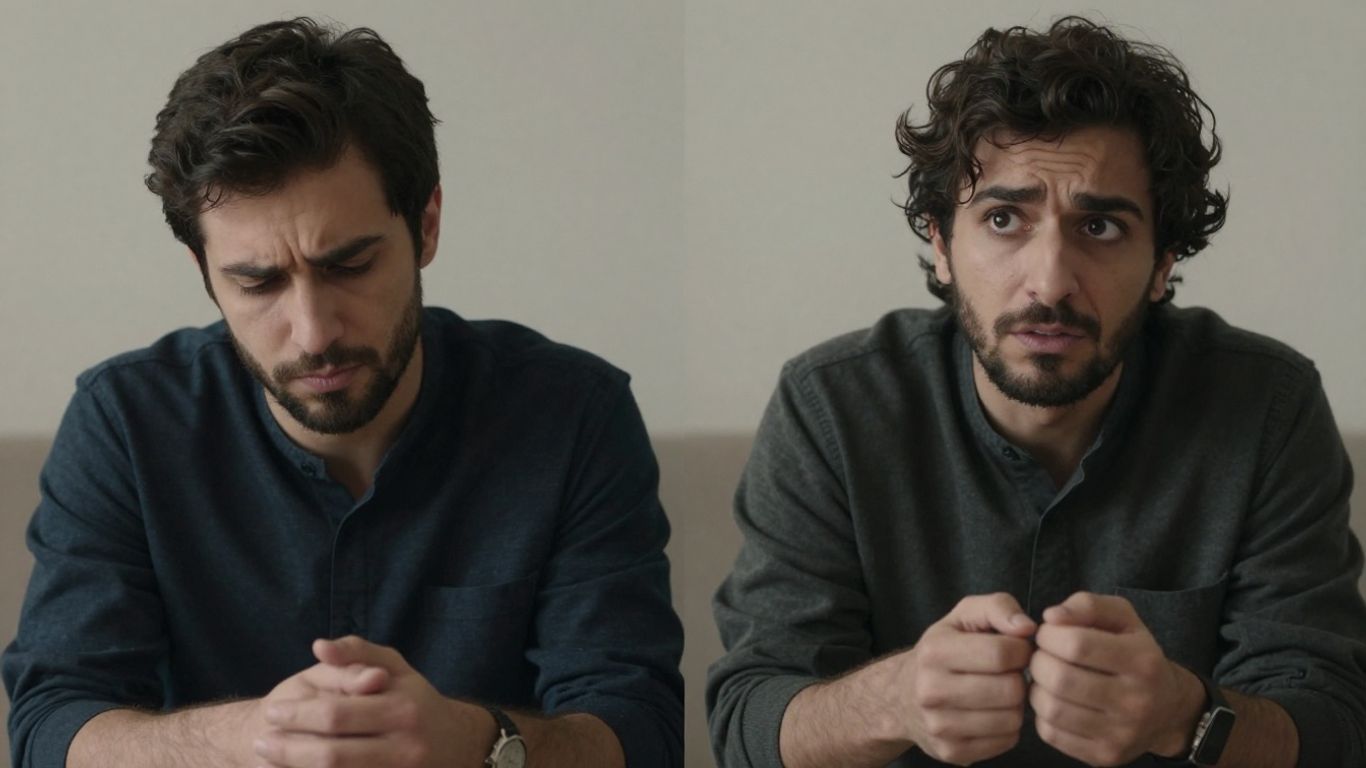
When you’re feeling anxious in a social situation, your body can react in ways that are hard to ignore. Think about that fluttery feeling in your stomach, maybe your palms get sweaty, or your heart starts pounding like a drum. Some people blush easily, while others might notice their voice trembling or their hands shaking a bit. These are all pretty common physical responses to feeling stressed or worried about how you’re coming across to others. It’s your body’s way of saying, "Whoa, this is a lot right now!" It’s not about being weak; it’s just how our nervous system sometimes kicks into high gear when it perceives a threat, even if that threat is just a social gathering.
For autistic individuals, physical manifestations often look different. Instead of just experiencing anxiety symptoms, many autistic people engage in self-soothing behaviors, often called stimming. This can include repetitive movements like hand-flapping, rocking back and forth, or repeating certain sounds or phrases. These actions aren’t usually done to get attention; they’re a way to manage sensory input and regulate emotions, especially when feeling overwhelmed by the environment. It’s like creating a personal anchor in a chaotic world. Some people find comfort in deep pressure, such as a firm hug or a weighted blanket, while others need to pace or fidget to feel more grounded. These behaviors are a vital part of how many autistic people cope with the world around them.
Both social anxiety and autism can lead to a heightened sensitivity to how others perceive you. With social anxiety, this often stems from a deep-seated fear of being judged, embarrassed, or rejected. Every interaction can feel like a test, and the possibility of making a mistake looms large. For autistic individuals, this sensitivity can be amplified by difficulties in intuitively understanding social cues and expectations. This can lead to a constant feeling of being “on the outside looking in,” worrying about what to say or do. This intense awareness of potential negative judgment can be exhausting for anyone, regardless of the underlying reason. It’s a heavy burden to carry into any social setting, making even simple interactions feel like a significant challenge. Understanding this shared experience is key to recognizing the common ground between these conditions, even when their origins differ.
It’s pretty common for autism and social anxiety to show up together. Lots of autistic folks find themselves dealing with social anxiety, sometimes to the point where it’s the main thing people notice. This can lead to a misdiagnosis, where the social anxiety is treated, but the underlying autism is missed. Studies show that social anxiety is way more common in autistic people than in the general population. For instance, estimates suggest around 50% of autistic individuals experience social anxiety, compared to a much smaller percentage in those who aren’t autistic. This high overlap means that if someone is diagnosed with social anxiety, it’s a good idea to also consider if autism might be present, too. It’s a complex picture, and getting the right diagnosis is key to effective support.
Autistic masking, which is basically trying to hide autistic traits to fit in, can really contribute to anxiety. When someone is constantly monitoring their behavior, adjusting their tone, and trying to use scripts to seem more neurotypical, it takes a lot of mental energy. This constant hypervigilance and the fear of being judged can build up, leading to significant anxiety in social situations. It’s like being on stage all the time, always worried about messing up. This intense focus on perceived judgment can make social interactions feel exhausting and scary, even if the person is otherwise motivated to connect. The effort involved in masking can be a major source of stress and anxiety, making it hard to tell where social anxiety ends and autistic traits begin.
Because autism and social anxiety share so many symptoms, telling them apart can be really tricky, especially when they happen at the same time. For example, both can lead to avoiding social situations. However, the reason for avoidance might differ. An autistic person might avoid social events because they find the unstructured nature overwhelming or struggle with interpreting social cues, while someone with social anxiety might avoid them due to an intense fear of judgment or embarrassment. Sometimes, an autistic person might feel more comfortable and less anxious when interacting with other autistic people, whereas someone with social anxiety might feel anxious regardless of who they’re talking to. This overlap can lead to diagnostic delays or misdiagnoses, making it harder for individuals to obtain the specific support they need. Understanding these nuances is important for accurate assessment and tailored interventions.
So, we’ve talked a lot about how social anxiety and autism can look pretty similar on the surface, especially when it comes to feeling awkward or stressed out in social situations. It’s easy to get them mixed up, and honestly, sometimes they even show up together. But remember, the reasons behind those feelings and how they play out can be quite different. For social anxiety, it’s often about a fear of what others think, while for autism, it might be more about how social rules and cues are understood. Knowing these differences isn’t just about labeling things; it’s about making sure folks get the right kind of help and support they need to feel more comfortable and confident in their interactions. If you’re still unsure, talking to a professional is always the best next step.
The main difference is why social situations are tough. With social anxiety, it’s mostly a strong fear of being judged or embarrassed. For autism, it’s more about having difficulty understanding social rules or picking up on subtle cues from others. Think of it like this: social anxiety is worrying about what others think, while autism can be about not always knowing how to ‘read the room’ in the first place.
Yes, absolutely! It’s actually quite common for people to experience both social anxiety and autism at the same time. This can make things even more confusing because the symptoms can overlap. Sometimes, the challenges of autism can actually lead to developing social anxiety because navigating social situations is so difficult.
People with social anxiety might avoid eye contact because they feel uncomfortable or worried about what the other person is thinking. They might make brief eye contact and then look away. Autistic individuals might struggle with eye contact differently; they might make it less often or find it difficult because it feels overwhelming, or they’re not motivated to do it. It’s not always about fear of judgment, but sometimes about sensory discomfort or a different way of processing social interaction.
Masking is when someone, often autistic individuals, tries to hide their autistic traits and act more ‘neurotypical’ to fit in. This can involve forcing themselves to make eye contact, faking emotions, or using learned scripts for conversations. Masking takes a lot of energy and can lead to exhaustion and increased anxiety, sometimes making it look like social anxiety when the underlying reason is autism.
Yes, both groups often tend to avoid social situations. For someone with social anxiety, it’s because they fear judgment and embarrassment. For someone with autism, it might be because social interactions are confusing, overwhelming, or they don’t understand the social rules, making them feel uncomfortable or anxious.
Physical signs of social anxiety often include things like sweating, trembling, a fast heartbeat, or feeling nauseous because of fear. Autistic individuals might have different physical manifestations, like ‘stimming’ repetitive movements such as hand-flapping or rocking, which they use to help manage sensory input and regulate their emotions, especially when feeling overwhelmed.